Showing posts with label Sauces n Jam. Show all posts

Sunday, October 27, 2013

Homemade Golden Syrup

Lately, I had to admit that I was a bit lax in blogging again. I used to update my blog during weekends. However since I signed up to participate in the Penang Bridge International Marathon on November 17th, weekends were never the same any more. With a full time job, weekend was the only time for long distance running training. After the long run training, what’s left in my mind was only to get my body lying down on the cosy sofa and turned myself into a couch potato doing nothing for the rest of the day .

This post was supposed to be published last month coinciding with the mid autumn festival theme but I was too worn out to blog it until now. Following the series of moon cake recipes covering from the basics of making moon cake dough to moon cake fillings like Yam/taro, Red bean and Mung Bean,  now is time to learn to make another key ingredient – the Golden syrup.

Instead of buying ready-made golden syrup, I opted to make my own with recipe adapted from Agnes Chang’s moon cake series. This completes the recipe for making 100% homemade moon cake. I started making this syrup 2 weeks before mid- autumn festival. However, it is even better if you can start making the syrup a few months ahead as the syrup can easily last a year or more.

This golden syrup is good for use in any baking or cooking that calls for golden syrup in place of the commercial ones.


P1110575
Initially, I did not have a good start in the syrup making. I was not attentive enough during the cooking stage and got the syrup overcooked. On top of that, I was fooled by the consistency of the syrup when it was still hot. The syrup looked runny but when it cooled down, it became really sticky and as hard as caramel candy!

Nevertheless, after some online research, I cross referred to Christine Golden Syrup recipe to save the failed syrup which I thought was a waste. Following her advice, I added more water and lemon juice and re-boiled the syrup again to eventually get the right fluid consistency for the golden syrup.   

P1110566
The moon cakes that I made using my homemade golden syrup.
P1110664
The moon cakes which I couriered back to my dad.P1110740

Saturday, September 29, 2012

Mung bean Paste 綠豆蓉餡


HAPPY MOONCAKE FESTIVAL 中秋节快乐!
mooncake
In advance of the mid autumn festival (a.k.a. mooncake festival) tomorrow,I would like to take this opportunity to wish all my friends, relatives and readers a happy moon cake festival and happy reunion with your family.
To the Chinese, especially those staying away from their home town, the mid autumn festival (八月十五中秋节)is a big day for them to rush back to get together and celebrate with family members. The Chinese believe full moon symbolises reunion (月圆庆团圆).
This year, I had made both types of moon cakes, traditional baked moon cakes and snow skin moon cakes. (Click to access my old posts on moon cake making).
I had made 3 types of fillings which were Taro paste, red bean paste and mung bean paste. For the first two, I had already covered in previous posts. Just click on the words to lead you to the posts.
I brought these moon cakes and shared with my colleagues in the office a few days ago:
2012mooncakemaking
In conjunction with this happy occasion, I’m going to introduce another traditional moon cake fillings that I had used for my homemade moon cakes this year – Mung Bean Paste.
Mung bean is more widely known as green bean in South East Asia. As the name suggests, they are green in colour but when their skins are removed, Mung beans are light yellow in colour.
P1090586
Mung Bean 綠豆

When these green beans are left to germinate and grow in water for days, they become “bean sprouts”, a type of vegetable that is commonly used for stir-frying, salad and soup in many Asian cuisine.
Check out my old post of Stir-fry Bean Sprouts with Prawn cutlets 豆芽炒虾球 this is a super fast and easy stir fry vegetable recipe.

Similar to red beans, Mung beans are also widely used in Chinese cuisine especially as dessert filling when made into paste form.
For the recipe I shared, I didn’t specify the measured quantity in details but merely sharing the major ingredients.  Usage ratio is very much depending on the flexibility of own taste preference.
The result of my mung bean paste was a bit dry and crumby. To have a finer texture I recommend to blend it further with a blender just like the red bean paste method. If you wish to have creamier and more flavourful texture, I recommend to substitute water with milk or coconut cream but for weight watchers it's better to stick to water.Smile

P1090590
Mung Bean Paste 綠豆蓉餡

Tuesday, August 21, 2012

RED BEAN PASTE 红豆沙馅

Red Bean Paste filling

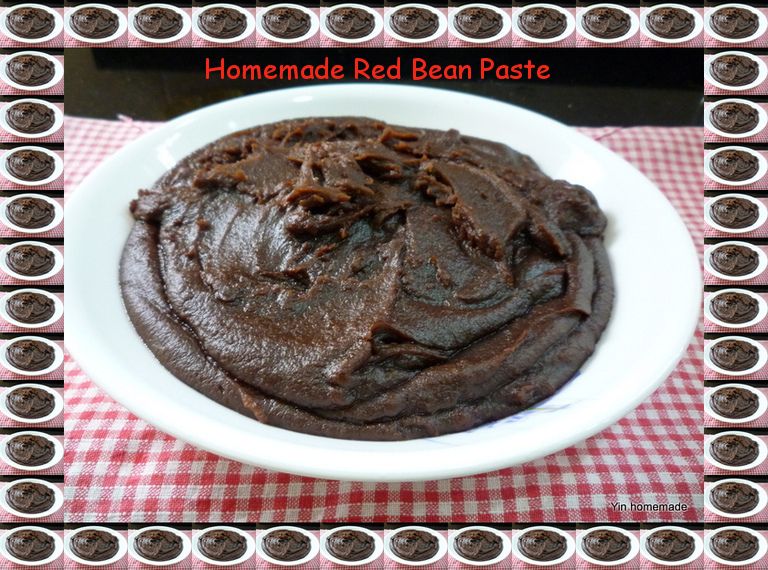
As promised in my wholemeal steamed Pau post, this post I will illustrate  how to make homemade red bean paste. Red bean paste is a common ingredient for Asian cuisine especially for Chinese and Japanese cuisines. It is usually used as a filling ingredient for buns, dumplings, desserts and confectionaries.
I know it is not difficult to source ready-made red bean paste at bakery ingredients shop. In fact even when I was in Auckland I could easily find it in most Asian groceries shops. However, the homemade version always seems to taste better and feels healthier, doesn’t it? J
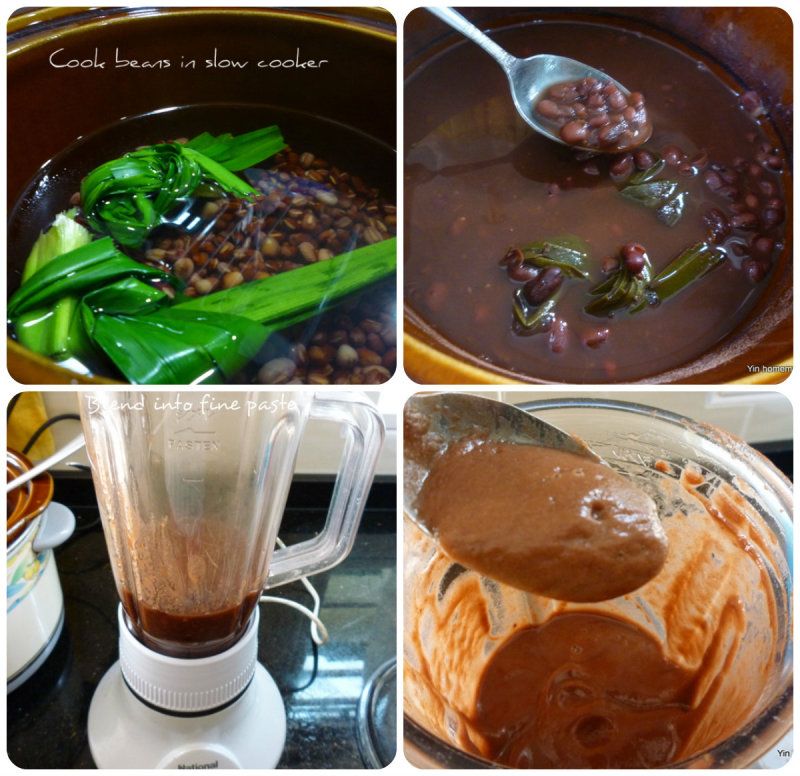
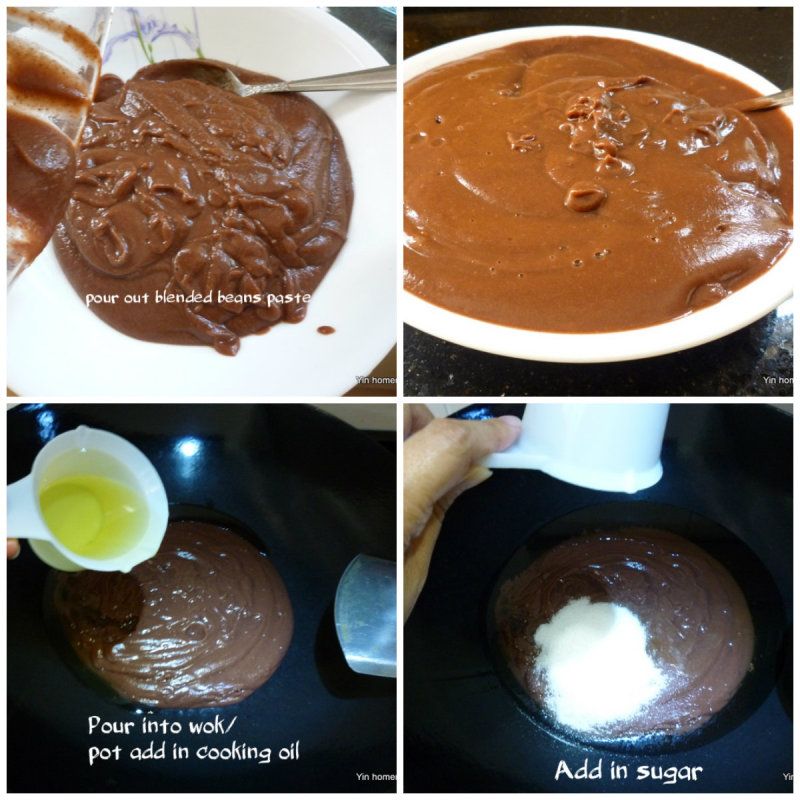
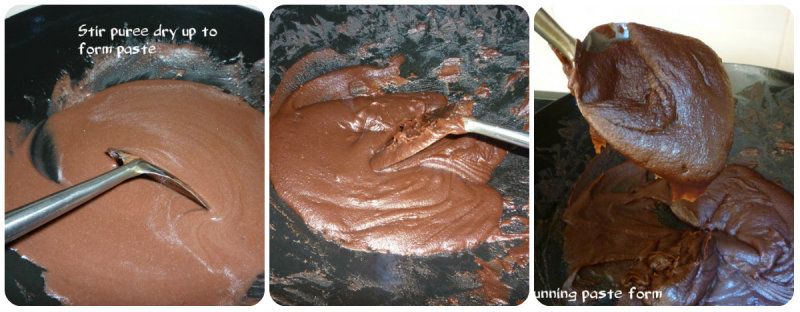
In return to enjoy better quality and healthier food we have to spend a little more time and hassle to prepare for it.  It is quite time consuming to cook the dry red bean into its paste form. Normally you will need to soak the beans for hours or even overnight before cooking to soften the beans. A quicker alternative is to skip this step  is by using a pressure cooker or a slow cooker.  Cook until the red beans turn soft. To have very fine and smooth texture, it is best to blend the cooked red bean puree until creamy form. Lastly, cook it again with oil and sugar to transform it into smooth creamy red bean paste that is ready for use.

For this trial, I used slow cooker to cook red beans overnight, this has cut down my hassle in spending time to monitor the red beans over stove.  The whole process took me more than 9 hours, but my actual working hours on blending, and stir frying the bean puree into paste only took me around an hour.

As mentioned it was pretty time consuming to get this paste done, but when you think of your loved ones getting to consume homemade paste which is free from preservative and unknown additive, plus the added benefits of adjusting the sweetness to your own preference, it all seems to justify the effort.

Mid autumn festival is around the corner. Why not give it a try to make your own red bean paste for the moon cake fillings to enjoy a healthier red bean flvaour moon cakes? You can also try out Yam/Taro paste filling, and the traditional moon cake recipe here. 

Saturday, January 28, 2012

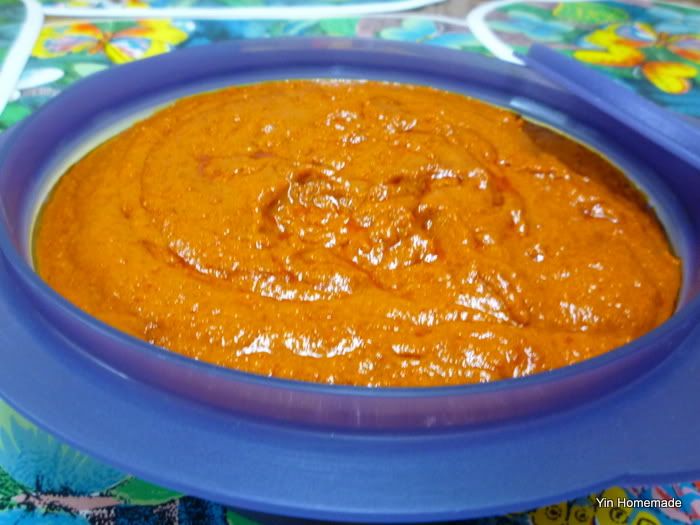
Sambal Belacan Chili paste三巴峇拉煎辣椒酱

Sambal is one of the most popular spicy condiments used in Southeast-Asian-influenced cuisine. Belacan is a Malay word.  It means dried shrimp paste. Sambal Belacan is dried shrimp chili paste. For Malaysian, Indonesian and Singaporean spicy food lover, sambal is one of the common spices easily found in their pantry. Due to the modern lifestyle many people opt to buy pre-packed readymade spices.  However considering the side effects of food preservatives, why not spend a little effort to make our own healthy Sambal Belacan paste?

Sambal Belacan Chili  Paste - Featured in Group Recipes 28th January 2012

The following is a recipe from Auntie Lan.  Again I’m only sharing the main ingredients.  Apologies for not giving detailed measurement as I didn’t manage to weigh the ingredients before she started to grind the paste. You can roughly adjust to your own liking. The following photo showed the measurement of half portion of the ingredients.  To get fine texture, we grind the ingredients in two batches.
We used blender to grind the chili ingredients. It may be too much of asking to follow the traditional custom using stone mortar to pound the chili into paste. However, sambal made using stone mortar is supposed to taste much better.  

If you wish to know how to use this chili paste, stay tune for my next post, coming soon! J

Sunday, September 11, 2011

Taro/Yam Paste Fillings 芋头馅料

Happy Moon Cake festival !
Next Monday in lunar calendar is 15th of the 8th month which marks a big day for the Chinese celebrating the Moon Cake Festival or Mid Autumn Festival 中秋节.  For those Chinese who celebrate this big occasion, moon cake is the main bakery product not to be missed. Moon cake is analogous to turkey for the Thanks Giving day or Christmas Day.
Since two months ago, I started to see assorted moon cakes ranging from traditional flavor Lotus paste moon cake to western flavor Cheesy Choc Oreo flooding the local market. Rather than the wide variety of fillings of the moon cakes, I was more attracted to their elegant and stylish moon cake boxes instead. These gift boxes are getting so much more ornamental to the point that they now become the deciding factor for the purchase rather than the delicacy element! These moon cakes were not sold cheap in the market.  I reckon a huge portion was attributed to the glossy packaging cost.

2 weeks ago, I started to make my first batch of homemade traditional baked moon cake 广式月饼. I used the same moon cake recipe given by Helen, one of my best cooking pals in New Zealand.  She shared that recipe with us when she demonstrated the making of homemade moon cake at my ex-Auckland home last year. Do click here for the recipe I posted last year.  


I was glad that it was much easier to find the necessary moon cake ingredients and mould in Malaysia. I got these moulds cheaply from a bakery supplies shop just minutes away from my house.

Last week, I made another batch of moon cakes, this time I tried out snow skin moon cake冰皮月饼 . This type of chilled moon cakes was much easier to make, no baking required. I opted for an easy way out by using a pack of readily mixed snow skin flour and by merely adding water and shortening, the skin dough would be ready. 


If you wish to make your own snow skin dough, click here for the recipe shared by Helen also. This time, I decided to make own moon cake fillings.  The following was the taro/yam paste fillings adapted from moon cake making video by Agnes Chang.    
I shared both types of my homemade moon cakes with my colleagues and I was pleased to receive good comments from them. The best voted mooncake was snowy moon cake with taro and melon seeds fillings ! J

 
I would like to dedicate this post to all my TWOA level 3 computing and cooking members: Alice, Doris, Helen, Jane, Jenny Wu, Jenny Yip, Julie, Lily, Linda, Vera, Penny, Julia and Ellen.

 
“I really miss those happy moments we had; taking turns to host the cooking and lunch sharing functions every Thursday. With this moon cake I would like to wish you all “
A Happy Moon Cake Festival! 祝你们中秋节快乐!

Thursday, December 30, 2010

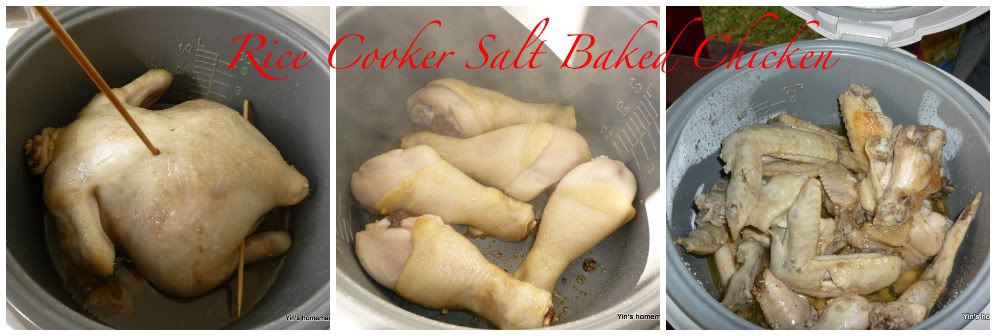
Hakka Rice Cooker Salt Baked Chicken 客家盐焗鸡

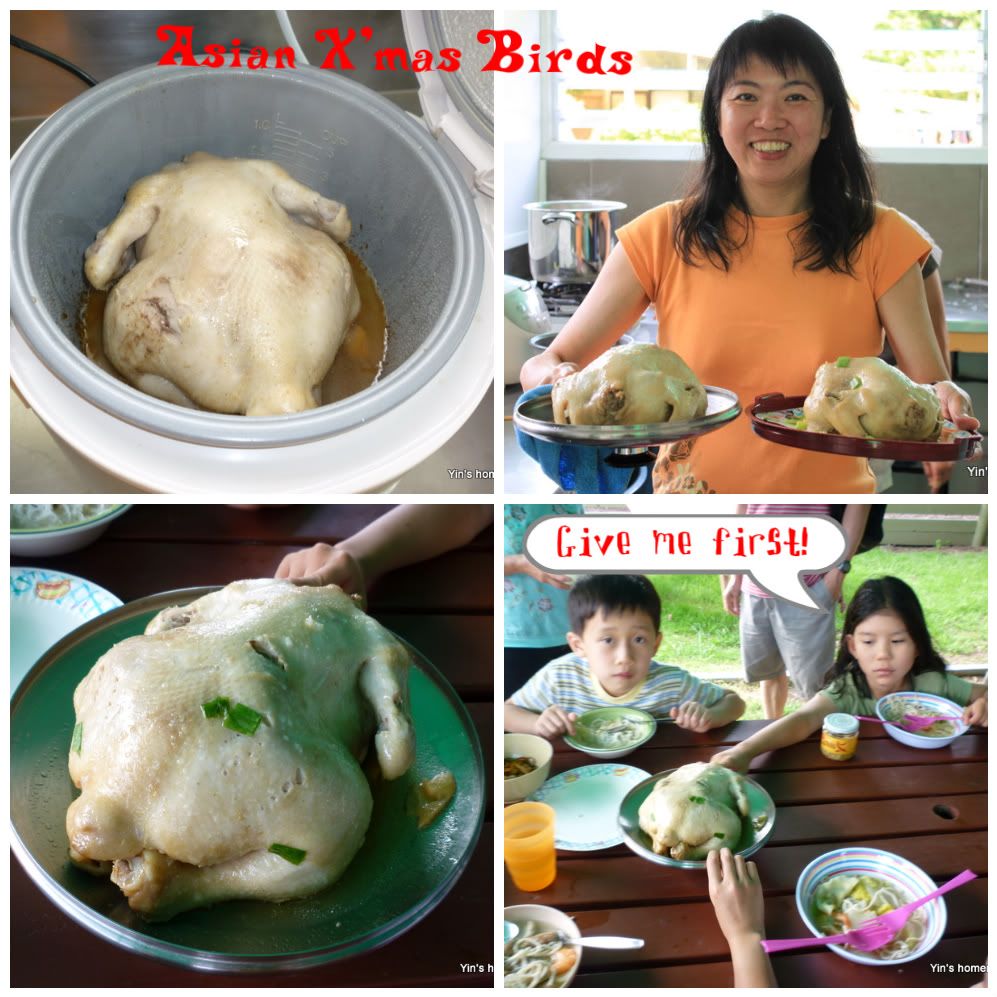
Asian Style Christmas Bird?

Few months ago my eldest brother sent me an email introducing the Salted Chicken which was a trademark of Hakka Cuisine. This dish reminded him of the salted steamed rice wine chicken (客家盐酒鸡) our mum used to cook for the Chinese New Year eve dinner when we were kids. Ever since our mum suffered from Alzheimer's and was admitted to a nursery care, we no longer had the chance to taste this dish. We missed that unique home brewed sweet rice wine flavored chicken. The sticky rice wine (自酿米酒) was home brewed by our mum. Her rice wine was popular among our relatives and friends for use in home cooking, especially well sought after in the Chinese after birth confinement diet。But it is sad I no longer have the chance to learn from my mother L

Seeing me getting interested in cooking and started off this food blog, my brother suggested me to learn up our Hakka cuisine and shared in this blog too. I reckoned this was a good idea and started to surf for related Hakka recipes, and then I came across this creative and modern way of making Hakka salted chicken.

The traditional Hakka cooking method used parchment paper to wrap up a whole chicken, then buried it in a wok full of fried coarse salt and simmered till it was cooked; very arduous. This one however requires only a rice cooker to do the magic. This lazy people way of salt baking may not show the true flavor of Hakka Salted Chicken but it is surely a simple and healthy way to cook a chicken without compromising much on the taste.


Because I had a small rice cooker, I could only cook size 9, chicken. Instead of the whole chicken you can also opt for parts such as drumsticks or wings. I had attempted using chicken, wings and drumsticks. They all tasted flavorsome and not greasy. I served this chicken with Hainanese chicken rice. Of course no chicken rice is complete without the special chicken rice chilies, isn't it? J


Hakka Salt Baked Chicken 客家盐焗鸡 - Featured in Group Recipes 30/12/2010
This year, we celebrated our Christmas at Hahei Camp site with limited utensil and a very basic kitchen; I had used this recipe to make our very own Asian style Christmas birds for our Christmas dinner. J


Sunday, August 29, 2010

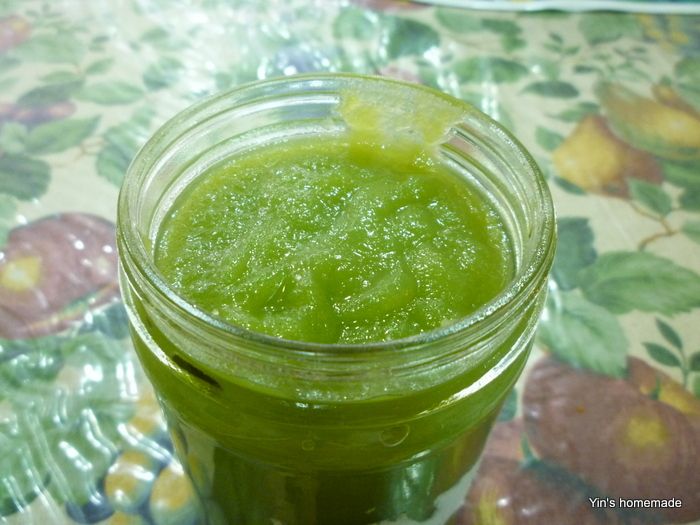
Kaya (Coconut Egg Jam)

For many Malaysian, toasted bread with kaya and butter, is another signature breakfast served in Malaysia kopitiam other than Nasi Lemak.

After moving to Auckland, our toasted bread here is always goes with butter or peanut butter jam. I'm ok with it because I'm not keen lover of Kaya but my boy doesn't. Well, we can find the imported Kaya at Asean grocery stores in Auckland but the price is not cheap and you can imagine it is not fresh with preservatives.

I had tried to make kaya once with 2 of my Malaysian wives group friends Cheng Ee and Cheng Im, but we found the traditional way of cooking was so tiring with hours of standing and stirring over the stove. Worst part was after such tedious process, to our disappointment our kaya came out lumpy and not smooth mixture.

Then I recalled one of my friend's mother-in-law mentioned fast way of making kaya using microwave. I decided to search online for that method. Finally, I managed to locate a few good links showing simple way of making kaya with microwave and I tested it and I did get a wonderful smooth kaya in 30 minutes time! Sharing below is the recipe I adopted for my trial making.

  Kaya Making with Microwave
Caramel Kaya
Pandan Kaya

LinkWithin

Related Posts with Thumbnails